Selecting the right materials is the foundation of any successful construction or fabrication project. With so many options available, understanding the differences between various structural steel grades is essential for ensuring safety, durability, and cost-effectiveness. In this guide, we will break down the most common steel grades used in the industry today, helping you make informed decisions for your specific applications.
The Basics of ASTM A36 Steel
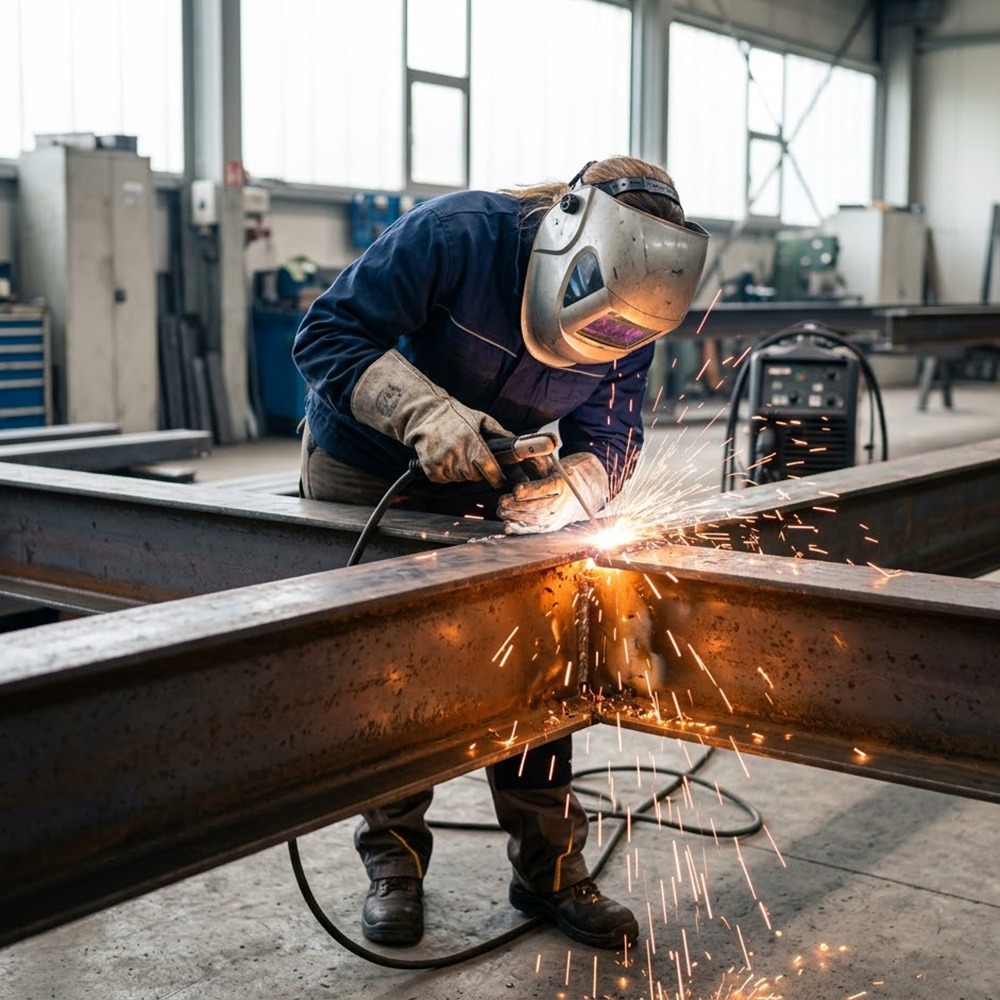
As one of the most widely used structural steel grades, A36 offers excellent weldability and machinability. We often recommend this versatile carbon steel for general construction purposes, including bridges and buildings. Its minimum yield strength of 36,000 psi provides a reliable and cost-effective solution for structural applications that do not require specialized high-strength materials.
Exploring the Strength of ASTM A572
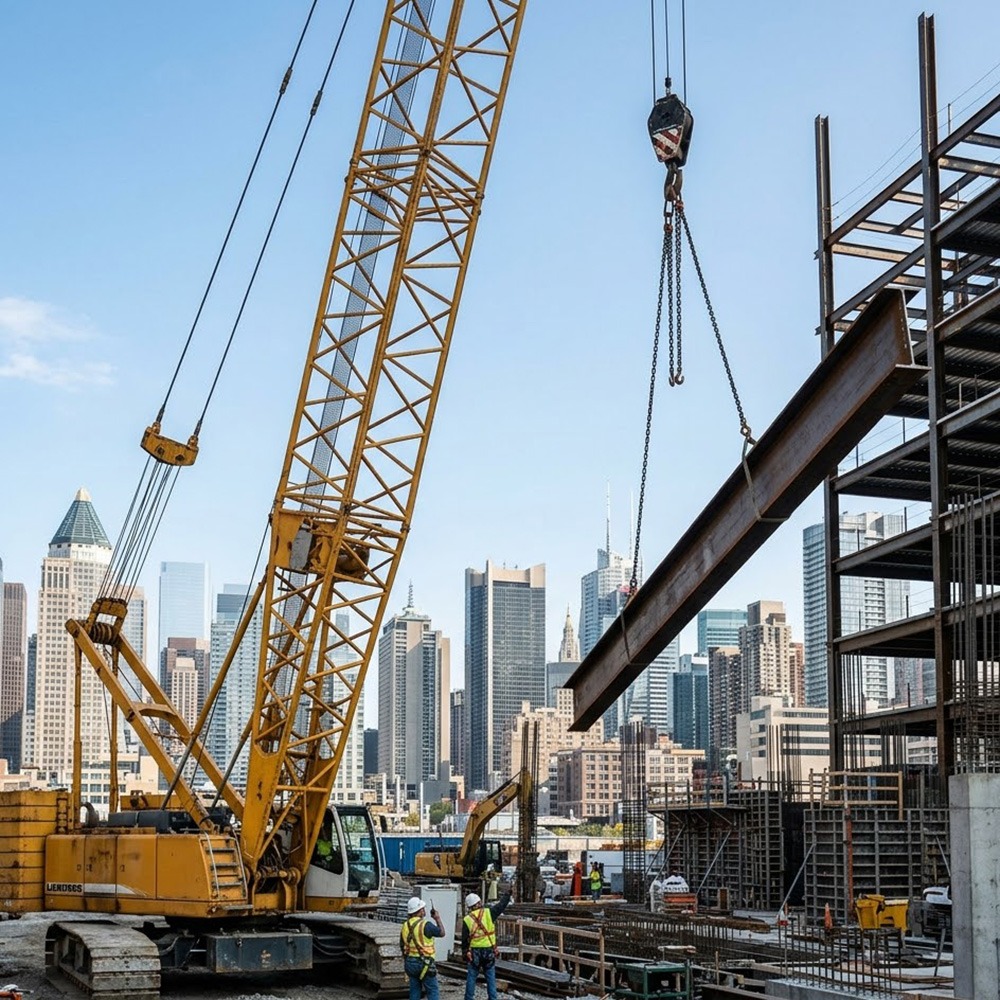
When projects demand higher strength-to-weight ratios, A572 is an exceptional choice. This high-strength, low-alloy steel comes in several structural steel grades, with Grade 50 being the most prevalent. We frequently see it utilized in transmission towers and heavy equipment because it delivers enhanced load-bearing capabilities while maintaining overall structural efficiency and manageable fabrication characteristics.

Weathering Steel and ASTM A588
For outdoor applications exposed to harsh environmental conditions, A588 provides outstanding atmospheric corrosion resistance. We value these unique steel grades because they develop a protective patina over time, eliminating the need for painting. This self-protecting characteristic makes it an incredibly low-maintenance option for exposed architectural structures, pedestrian bridges, and outdoor industrial frameworks across various climates.
The Versatility of Hollow Structural Sections
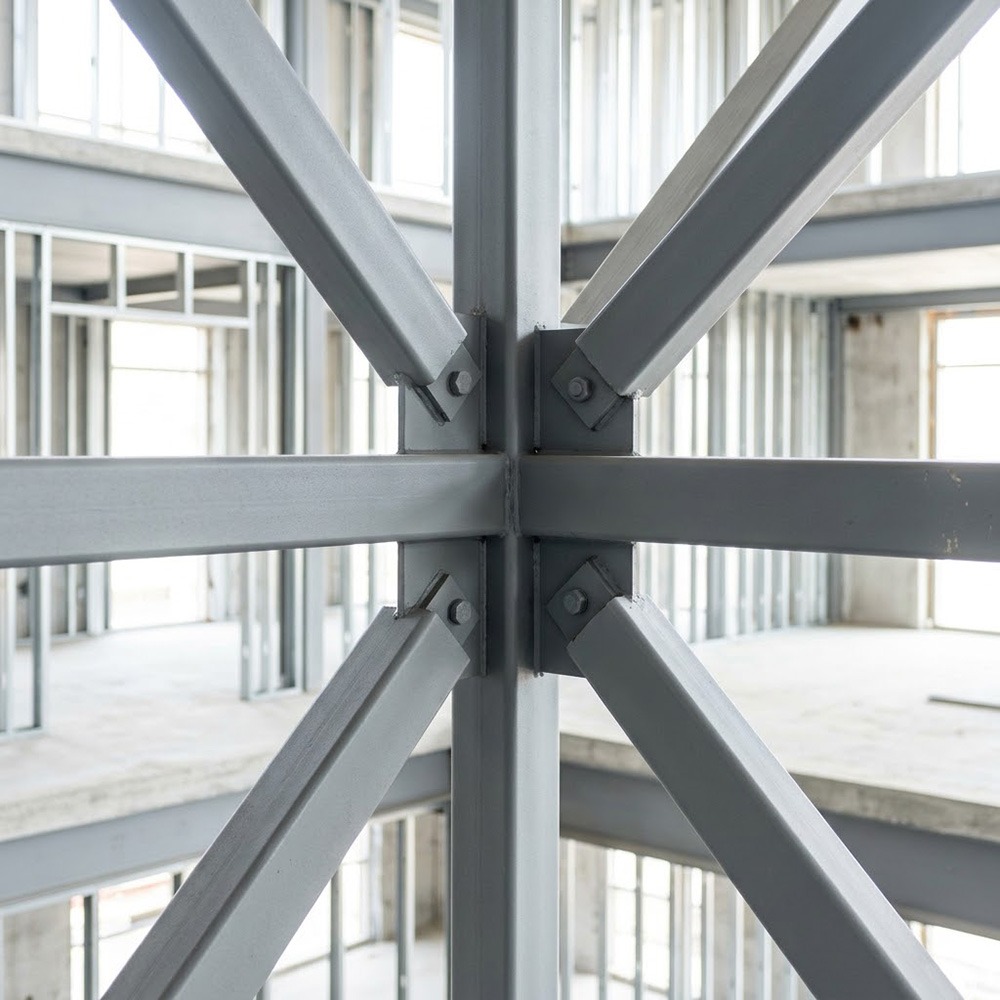
ASTM A500 covers cold-formed welded and seamless carbon steel structural tubing. We rely on these tubular steel grades to construct modern frameworks, roof trusses, and aesthetic architectural columns. The hollow design offers an excellent balance of strength and visual appeal, allowing us to achieve clean lines while easily supporting significant structural loads in demanding environments.
Selecting the optimal material requires a deep understanding of project specifications and load requirements. By carefully comparing different structural steel grades, you can guarantee the long-term success and structural integrity of your builds. At Warrenton Steel, our team is always ready to guide you through material selection and provide high-quality supplies for your next endeavor. We invite you to explore our comprehensive inventory or contact us today to learn more about our capabilities.
Sign Up For Our Newsletter
Get invaluable insight sent directly to your inbox!