
Melting Points of Metals

A Guide to Metal Melting Temperatures
Understanding a material's melting point is critical for fabrication, welding, and casting. This property, the temperature at which a solid turns into a liquid, dictates which metals are suitable for high-heat applications and what processes are needed to work with them.
The metal melting point chart below provides a comprehensive list of metal melting points for common metals, pure elements, and alloys. This element melting point list shows temperatures in both Fahrenheit and Celsius for easy reference.
Melting Points of Common Metals & Alloys
| Metals | Fahrenheit (f) | Celsius (c) |
|---|---|---|
| Aluminum | 1,220 | 660 |
| Yellow Brass | 1,660-1,710 | 905-932 |
| Bronze | 1,675 | 913 |
| Red Brass | 1,810-1,880 | 990-1,025 |
| Copper | 1,983 | 1,084 |
| Cast Iron | 2,060-2,200 | 1,127-1,204 |
| Carbon Steel | 2,500-2,800 | 1,371-1,593 |
| Nickel | 2,647 | 1,453 |
| Wrought Iron | 2,700-2,900 | 1,482-1,593 |
| Stainless Steel | 2,750 | 1,510 |
| Titanium | 3,040 | 1,670 |
Comprehensive List of Metal Melting Points
| Metals | Fahrenheit (f) | Celsius (c) | Kelvin (k) |
|---|---|---|---|
| Mercury | -38 | -39 | 234 |
| Phosphorus | 111 | 44 | 317 |
| Selenium | 423 | 217 | 490 |
| Tin | 449 | 232 | 505 |
| Babbitt | 480 | 249 | 522 |
| Bismuth | 521 | 272 | 545 |
| Cadmium | 610 | 321 | 594 |
| Lead | 621 | 328 | 600 |
| Magnesium Alloys | 660-1,200 | 349-649 | 622-922 |
| Zinc | 787 | 420 | 693 |
| Aluminum Alloys | 865-1,240 | 463-671 | 736-944 |
| Aluminum Bronze | 1,190-1,215 | 600-655 | 916-930 |
| Magnesium | 1,200 | 650 | 922 |
| Pure Aluminum | 1,220 | 660 | 933 |
| Beryllium Copper | 1,587-1,750 | 865-955 | 1,137-1,228 |
| Manganese Bronze | 1,590-1,630 | 865-890 | 1,139-1,161 |
| Sterling Silver | 1,640 | 893 | 1,166 |
| Admiralty Brass | 1,650-1,720 | 900-940 | 1,172-1,211 |
| Yellow Brass | 1,660-1,710 | 905-932 | 1,178-1,205 |
| Bronze | 1,675 | 913 | 1,186 |
| Pure Silver | 1,761 | 961 | 1,234 |
| Red Brass | 1,810-1,880 | 990-1,025 | 1,261-1,300 |
| Gold | 1,945 | 1,063 | 1,336 |
| Copper | 1,983 | 1,084 | 1,357 |
| Cast Iron | 2,060-2,200 | 1,127-1,204 | 1,400-1,478 |
| Ductile Iron | 2,100 | 1,149 | 1,422 |
| Manganese | 2,271 | 1,244 | 1,517 |
| Beryllium | 2,345 | 1,285 | 1,558 |
| Monel | 2,370-2,460 | 1,300-1,350 | 1,572-1,622 |
| Hastelloy | 2,410-2,460 | 1,320-1,350 | 1,594-1,622 |
| Carbon Steel | 2,500-2,800 | 1,371-1,540 | 1,644-1,811 |
| Inconel | 2,540-2,600 | 1,390-1,425 | 1,666-1,700 |
| Incoloy | 2,540-2,600 | 1,390-1,425 | 1,666-1,700 |
| Silicon | 2,572 | 1,411 | 1,684 |
| Nickel | 2,647 | 1,453 | 1,726 |
| Wrought Iron | 2,700-2,900 | 1,482-1,593 | 1,755-1,866 |
| Cobalt | 2,723 | 1,495 | 1,768 |
| Stainless Steel | 2,750 | 1,510 | 1,783 |
| Palladium | 2,831 | 1,555 | 1,828 |
| Titanium | 3,040 | 1,670 | 1,944 |
| Thorium | 3,180 | 1,750 | 2,022 |
| Platinum | 3,220 | 1,770 | 2,044 |
| Chromium | 3,380 | 1,860 | 2,133 |
| Rhodium | 3,569 | 1,965 | 2,238 |
| Niobium (Columbium) | 4,473 | 2,470 | 2,740 |
| Molybdenum | 4,750 | 2,620 | 2,894 |
| Tantalum | 5,400 | 2,980 | 3,255 |
| Rhenium | 5,767 | 3,186 | 3,459 |
| Tungsten | 6,150 | 3,400 | 3,672 |
Why Do Alloys Have a Melting Range? (Solidus vs. Liquidus)
You'll notice in the charts that pure metals, like the melting point of iron or aluminum, have a single, precise melting temperature.
However, alloys—which are mixtures of metals, like the melting point of steel, stainless steel, brass, or bronze—do not. Instead, they melt over a range of temperatures. This melting point of alloy vs pure metal distinction is crucial. This range is defined by two different points:
- Solidus: The temperature where the alloy begins to melt. At this point, it is a slushy, semi-solid mixture.
- Liquidus: The temperature where the alloy becomes fully and completely liquid.
This liquidus vs solidus behavior is a key property that engineers use to select the right material for high-strength or casting applications.
Metals Ranked by Melting Point: The Highest and Lowest
When ranking metals by melting point, there are two clear outliers that are frequently searched.
- Highest Melting Point: What metal has the highest melting point? The answer is Tungsten, melting at an incredible 6,192°F (3,422°C). As one of the refractory metals, tungsten is ideal for extreme-heat applications like furnace components, rocket nozzles, and welding electrodes.
- Lowest Melting Point: What metal has the lowest melting point? That would be Mercury, which is famously a metal that is liquid at room temperature. Its melting point is -37.8°F (-38.8°C).
Eutectic vs. Non-Eutectic Alloys
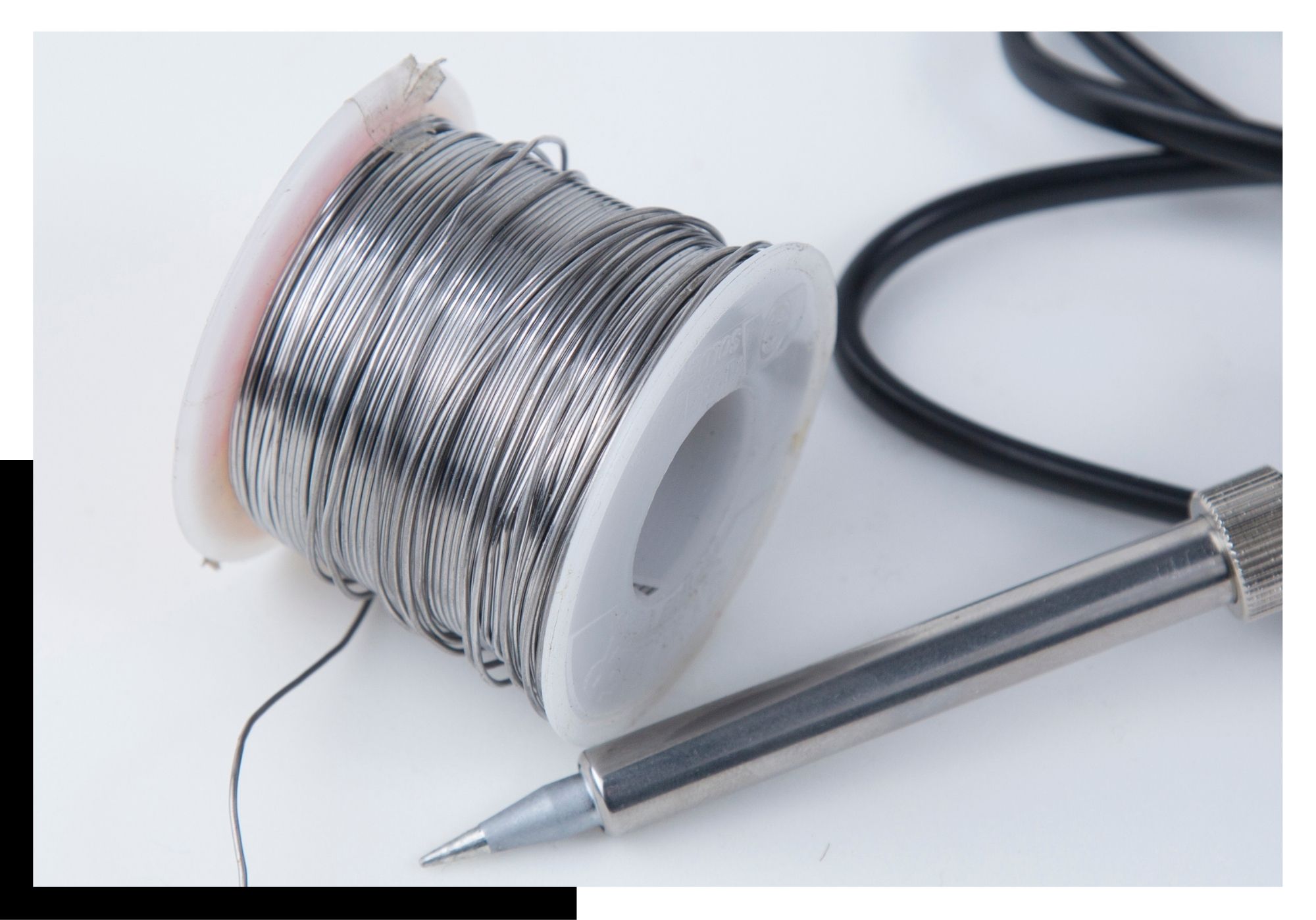
While most alloys melt over a range, you may encounter eutectic alloys, which have a unique property. A eutectic alloy (a specific mixture of metals) behaves like a pure element, melting at a single, precise temperature instead of a range. This is the main difference when comparing a eutectic vs non-eutectic alloy melting point. A common example is solder, which is designed to melt instantly at a specific temperature for a clean connection. Most structural alloys, like steel, are non-eutectic.
Contact us today for a quote.
From high temperature metals like titanium to versatile alloys like carbon steel and aluminum alloys, understanding these properties is the first step to a successful project. For all your material needs, contact the experts at Warrenton Steel.

Let’s talk Business.
Sign Up For Our Newsletter
Get invaluable insight sent directly to your inbox!